.png)
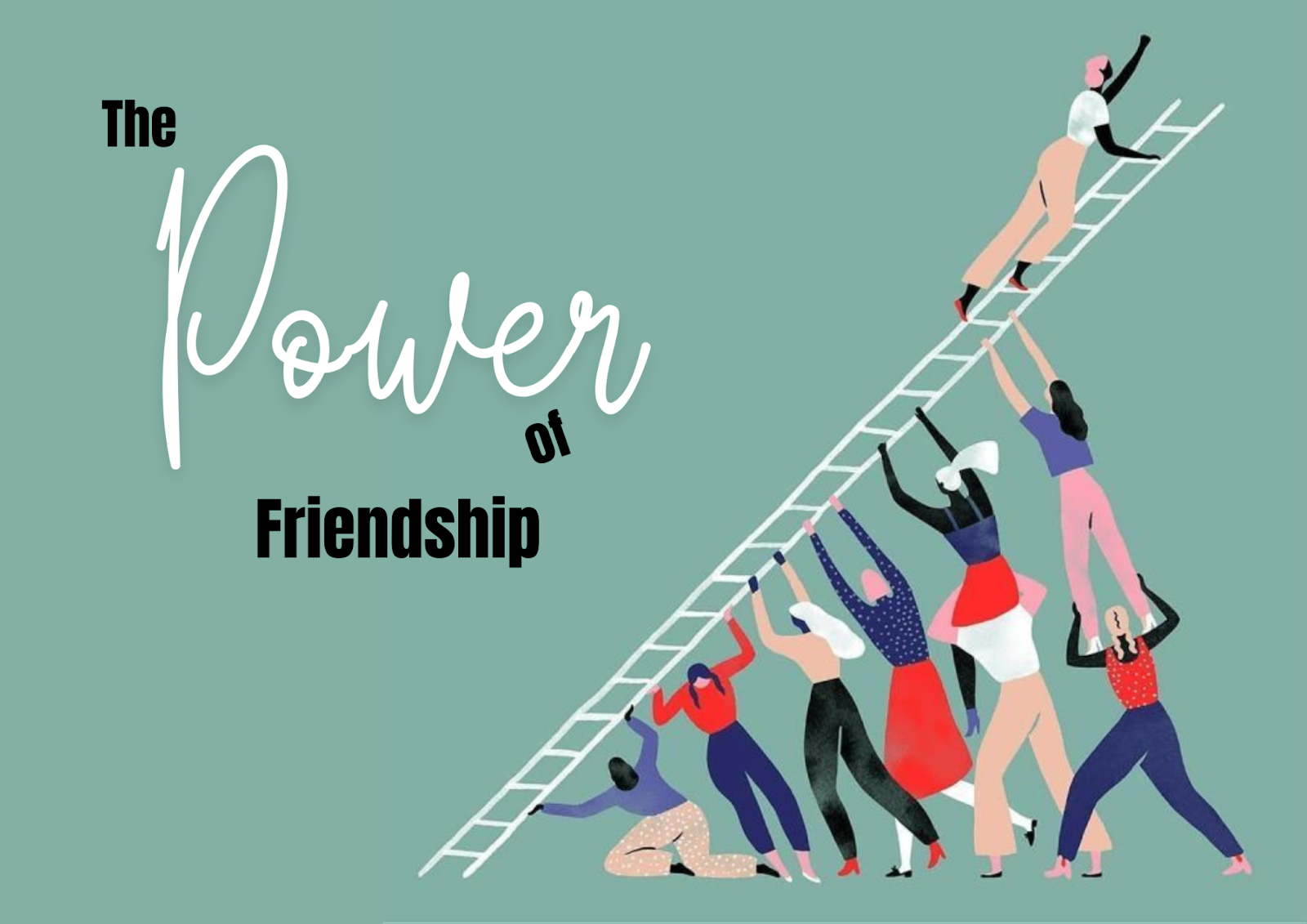
The Power of Friendship: Why Good Friends Make Life Better
Imagine having a tough day, everything feels overwhelming, and all you want is to retreat. Now imagine a friend by your side, a friend who listens without judgment, shares a laugh, or simply offers a comforting presence. That's the true power of friendship.
Few words in life carry as much strength as: "I'm here for you."
Friendship's Impact on Mental Health
Friendships are very important for our mental well-being. People with strong, supportive friends often feel less lonely, anxious, or depressed. Talking to a friend can help you cope with stress and feel happier. Close friends give you a safe space to share your feelings, encourage healthy habits, and make you feel like you belong. All of this helps protect and improve your mental health.
Physical Health Benefits of Friendship
Friendship isn't just good for your mind, it's good for your body too. People with strong friendships have lower risks of heart disease, lower blood pressure, and may even live longer. Friends encourage healthy habits like exercising and avoiding bad habits. Close friends can help you sleep better, recover faster from illness, and boost your immune system. On the other hand, loneliness is linked to higher risks of chronic illness and early death.
Building and Sustaining Strong Friendships
Friendships have many health benefits, which is why it's important to invest time and energy in them. Strong friendships need trust, open communication, kindness, and shared experiences. Regular effort helps these bonds grow, giving long-term emotional and physical benefits. Even small positive interactions, not just deep friendships, can improve mental well-being. Ideally, having about five close friends can maximize these benefits. Prioritizing friendships makes life happier, healthier, and more resilient.
Friendship Makes Life Better
Let's explore how good friends truly make life better, and why nurturing them might be one of the best decisions you'll ever make.
"A friend is one that knows you as you are, understands where you have been, accepts what you have become, and still, gently allows you to grow."
1. Friends Make Hard Days Easier
We all face moments when life feels too heavy to handle alone. Stress, loss, or self-doubt can drain us, but that's when friendship becomes medicine. A good friend might not have all the answers, but they listen, understand, and remind you that you're not alone.
Even a short chat or shared quiet moment can help lift the weight off your shoulders. Friendship doesn't solve everything, but it makes it easier to breathe again.
2. Friends Keep You Mentally and Emotionally Strong
Friends give you emotional support, the invisible safety net that makes life easier. Talking, laughing, or even crying with a friend release natural chemicals in your brain that reduce stress and boost happiness. It's all about feeling like you belong. Knowing someone truly understands you makes the world feel warmer.
Next time you're struggling, don't stay silent. Call a friend. Healing happens faster when hearts are connected.
3. Good Friends Build Confidence
We all have moments of doubt. A true friend doesn't just flatter you, they remind you of your worth and see your potential when you can't.
For example, When you lose your job, it can feel like a failure, and you might withdraw from everyone. One evening, a friend shows up with coffee and says, "You're still the same capable person." That simple reassurance gives you the courage to keep going. A few months later, you find an even better opportunity.
Sometimes, having a friend who believes in you is all it takes to move from doubt to a fresh start.
5. Friends Keep You Grounded
True friends don't just tell you what you want to hear, they tell you what you need to hear, with love. They pull you back when you drift, remind you to rest when you push too hard, and celebrate your progress when you forget it. They are both your reality check and your cheerleader. This mix of honesty and care is rare, but it's what makes friendships real and lasting.
6. Good Friends Make Happiness Last Longer
Happiness feels greater when it's shared. A funny moment, a success, or even a silly joke is more special when someone laughs with you. Friends turn small moments into lasting memories. Whether it's late-night talks, spontaneous trips, or sharing a meal, these moments show that life is better together.
7. Friendship Teaches Empathy
Caring for friends helps you look beyond yourself. You learn to listen, love, and forgive more deeply. Empathy, feeling with someone, not just for them, grows naturally through friendship. Being there for a friend in pain teaches compassion that spreads to everyone around you. Friendship makes you both softer and stronger at the same time.
8. Friendship Helps You Through Change
Change can be scary, new jobs, breakups, moving, or loss. A true friend makes it easier. They remind you that you're not starting from zero, you have experience, and you're not alone. Friends don't just give advice, they simply show up. Their presence helps you stay steady when life keeps shifting.
Practical Tips to Cultivate Better Friendships
- Make time for friends regularly, even simple check-ins.
- Be present and actively listen in conversations.
- Share honest feelings and encourage openness.
- Celebrate successes and support through challenges.
- Create memories through shared activities.
- Show kindness through small gestures.
- Accept and appreciate differences.
- Forgive mistakes and practice grace.
Final Thoughts
"Friendship improves happiness and abates misery, by the doubling of our joy and the dividing of our grief."
Friendship is one of life's greatest gifts. It lifts us during hard times, strengthens us emotionally, and adds joy to every moment. Strong friendships don't happen by chance, they grow through care, honesty, and consistent effort.
Whether it's sharing laughter, offering support, or simply being there, friends make life richer, healthier, and more meaningful. Treasure those who believe in you, celebrate with you, and stand by you.
In the end, friendship isn't just about having someone by your side; it's about building connections that make life truly worth living.